ENTER NOW AND GET YOUR WORK SEEN WORLDWIDE - FINAL DEADLINE: DECEMBER 13TH, 2026


Honorable Mention / Photojournalism
BACK TO GALLERY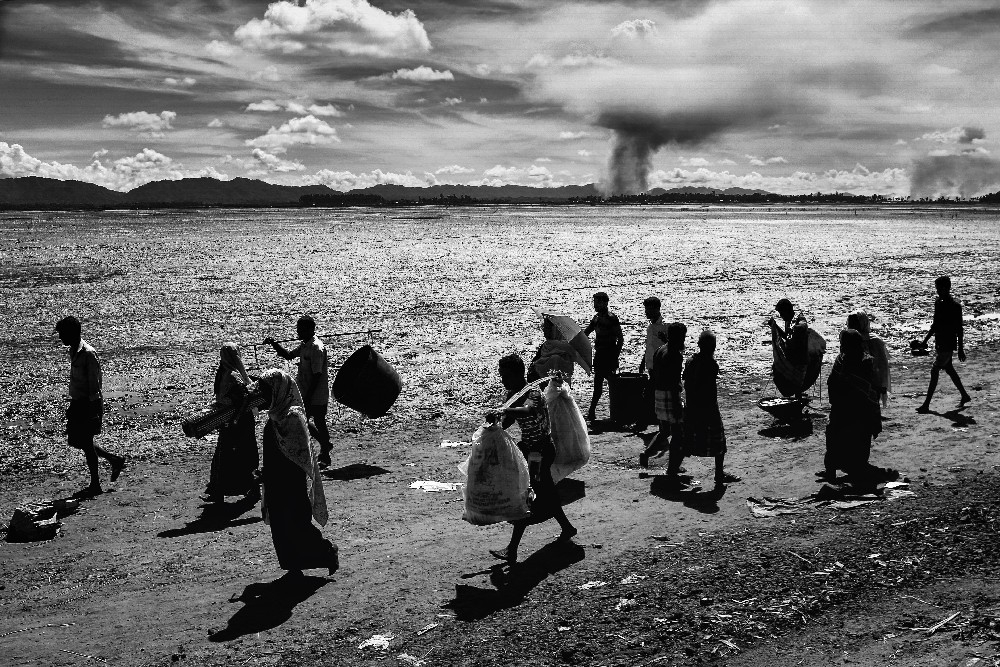


prev
next
I am Rohingya
I am Rohingya
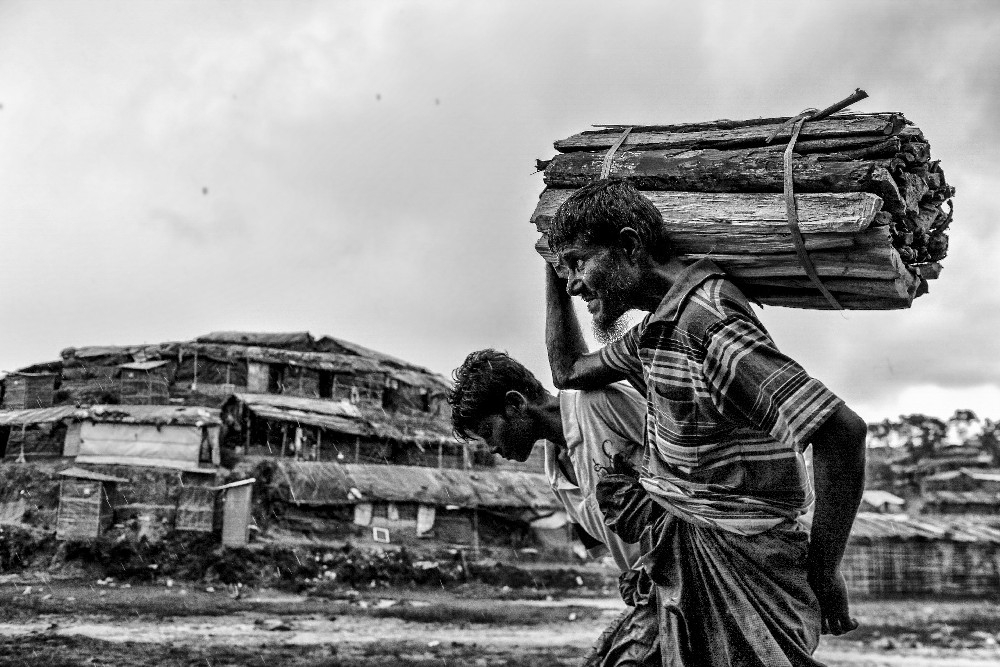
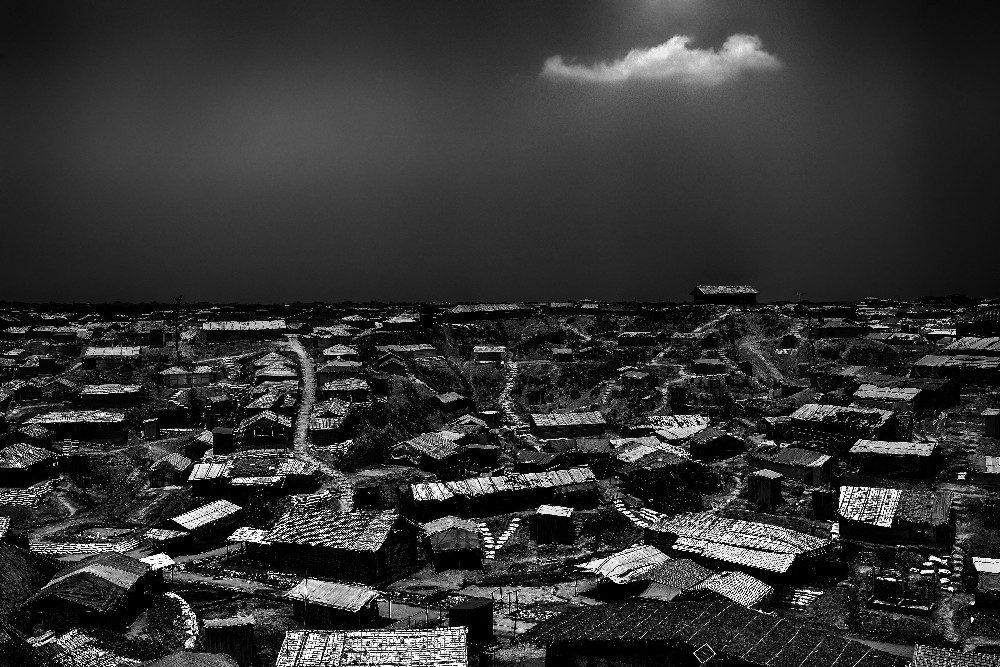
The Rohingya is a minor Muslim ethnic group who has been living in Myanmar for centuries. However, due to the racism and many other socio-political issues accelerated from the majority in Myanmar, they became a victim to a categorization of themselves as Bengali descendants, the recent migration of whom began on August 2017, from Myanmar to Bangladesh. These people are deprived of their ethnic rights by their own country, which includes non-enlistment with other 135 official ethnic groups, as Myanmar government has regarded them as stateless refugees from Bangladesh [1]. Over one million Rohingyas used to live in Myanmar, and they are the most persecuted people in the world and their current exodus has made more vulnerable.
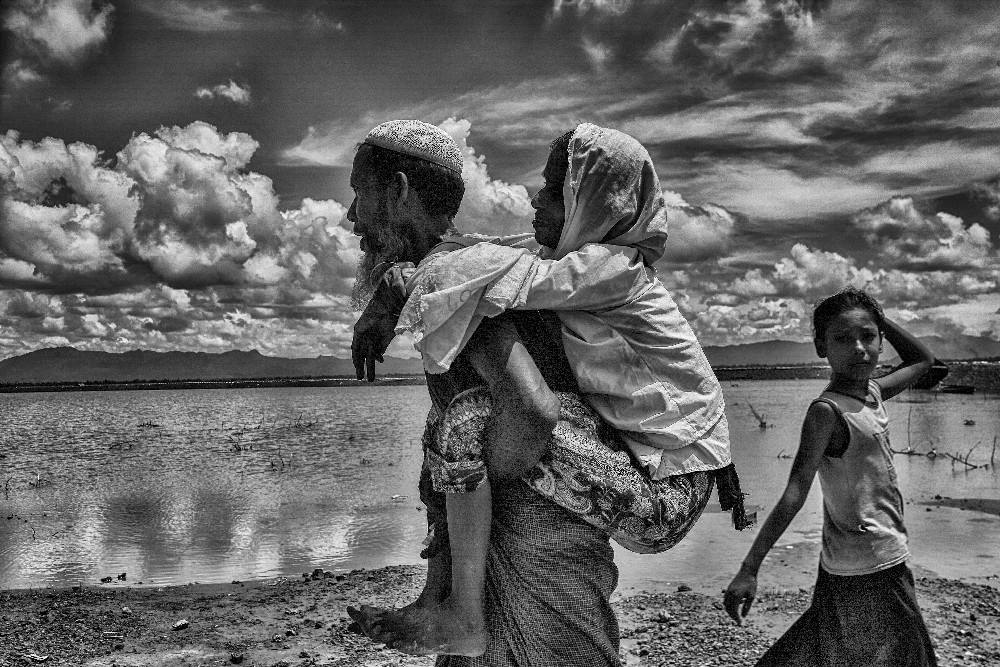
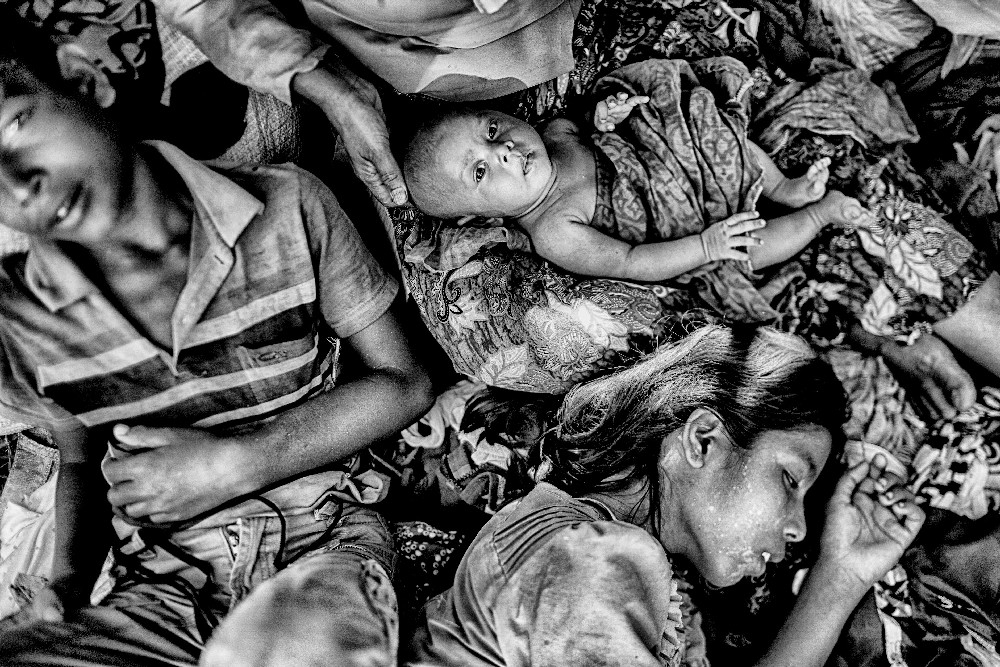
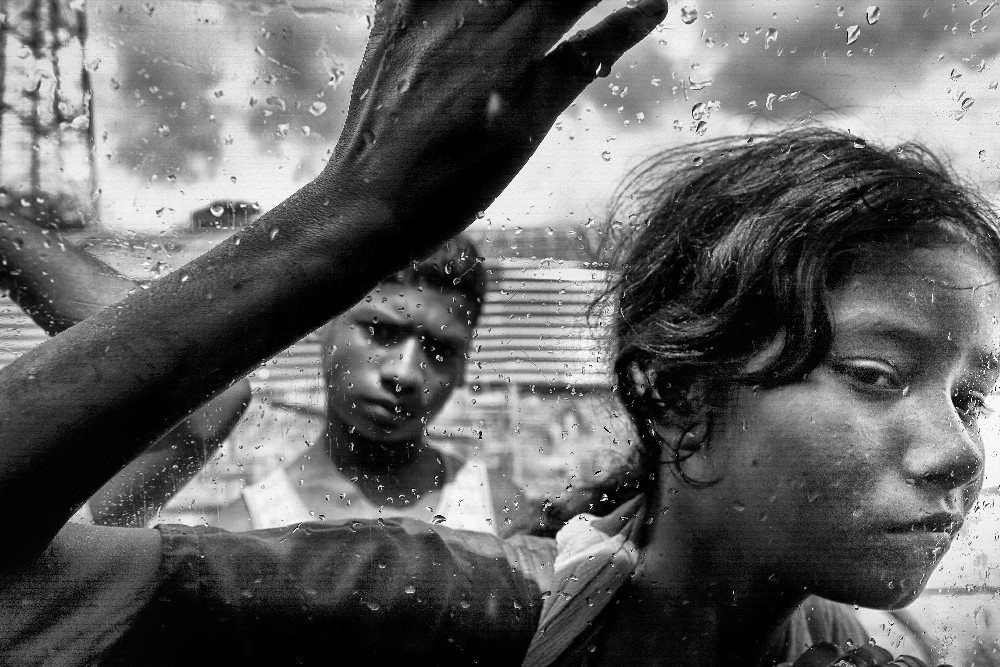
When God remains silent even when there is a war or genocide, or humans are in a terrible condition, we seek for help, but there is no one who can rescue us from the dying humanity. I have spent around thirty days to cover the exile of Rohingya Refugees coming from hundreds of miles away in bare foot, and holding hands of reaming beloved ones, there were tears in eyes and fears in heart – as just to save their own lives. Many children were half-naked; they couldn’t manage time to get dressed or their outfits lost its utility of providing coverage, during the long journey to seek for a refuge in Bangladesh. I saw an old man named Ahmed, who carried his ninety-year old mother, walked miles after miles under hot sun, and lost his family members during the attack of Myanmar Army. Sometimes words are not enough to articulate the horrific experiences of people who have been through such devastation when the state declares war to clean up their own people, barely reserving any sympathy. After the World War I and II, many Europeans started renouncing the existence of God; no worship, devoted or indifferent, helped diminish the horror of the war. As a matter of fact, everyone will die one day or the other; death is inevitable and final destination for all living beings. And Rohingyas are no exception to it. These people are Muslim, and they are not terrorists in any way possible, rather most of them are farmers, who just had a simple life, and wanted to live it peacefully on their own terms with respect, dignity and their own identity. Everyone has the right to live, to perform their own belief and religion. Buddhism teaches ‘Ahimsa’ (Non-injury) of other living beings. However, Myanmar is a country consisting of a majority of Buddhist. How ‘Himsa’ (injury) has led them to kill and rape many Rohingyas as an attempt of genocide and ethnic cleansing is a burning question. I have spoken to many Rohingya people, and everyone has one or more stories of losing one or more from their families, many are raped, and many got killed by Myanmar Armies. There are reports of many women being captivated for sex slavery and a lot more are missing.
Bibliography
1. Al Jazeera. 2017. Myanmar: Who are the Rohingya? [ONLINE] Available at: http://www.aljazeera.com/indepth/features/2017/08/rohingya-muslims-170831065142812.html. [Accessed 27 January 2018].
Author
Mohammad Rakibul Hasan is a Dhaka, Bangladesh-based documentary photographer, filmmaker, visual artist, and art educator. His work explores human rights, social development, politics, the environment, and spirituality. Hasan was nominated for many international awards and won hundreds of photographic competitions worldwide, including the Lucie Award, Human Rights Press Award, and Allard Prize.
He pursued a One-Year Certificate in Creative Practices at the ICP – International Center of Photography, USA. Hasan holds a Postgraduate Certificate in Photography from Falmouth University and an Undergraduate Certificate in Art History and Philosophy from Oxford University. He also pursued a Postgraduate Diploma in Photojournalism from Ateneo de Manila University and graduated in Film & Video Production from UBS Film School at the University of Sydney. Hasan works as a visual journalist for the ZUMA Press, Redux Pictures, and Thomson Reuters Foundation.
Website
http://mrhasanphotos.com/
